
Prefer to listen?
Click the button above to hear this article narrated.
Great for on-the-go learning or sharing with your team. 
How Often Should a DPF Be Cleaned?
For many fleets, DPF maintenance feels unpredictable. One truck runs fine, while another hits a derate sooner than expected. The common question is simple: how often should a DPF actually be cleaned?
The honest answer? It depends—and relying on a fixed mileage interval is often where things go wrong.
The Problem with “One-Size-Fits-All” Intervals
Mileage-based service intervals assume every truck operates the same way. But in reality, duty cycles vary widely—especially in LTL operations.
Frequent stops, extended idling, and shorter routes prevent engines from reaching the temperatures needed for effective regeneration. Over time, soot and ash build up faster than expected, causing filters to plug sooner.
That’s why two trucks with similar mileage can have completely different DPF conditions.
.png?width=785&height=442&name=DPF%20Cleaning%20Decision%20Flow%20(1).png)
When Intervals Don’t Match Reality
When cleaning schedules don’t align with how a fleet actually operates, the impact shows up quickly.
Instead of predictable maintenance, fleets experience:
- unexpected derates
- increased fuel consumption from repeated regenerations
- unplanned downtime
As outlined in the whitepaper, these issues aren’t random—they’re the result of misalignment between duty cycles and service timing.
Reactive Maintenance vs. a Smarter Strategy
Many fleets take a reactive approach: clean the DPF when a fault code appears or when mileage says it’s time. While common, this method often leads to inconsistent results.
A more effective strategy is proactive. Instead of guessing, fleets use real operating data—like regeneration frequency and backpressure—to determine when service is actually needed. This creates a more predictable maintenance cycle and helps avoid surprises on the road.
Why Cleaning Alone Isn’t Enough
Even when timing is right, results depend on how well the filter is restored.
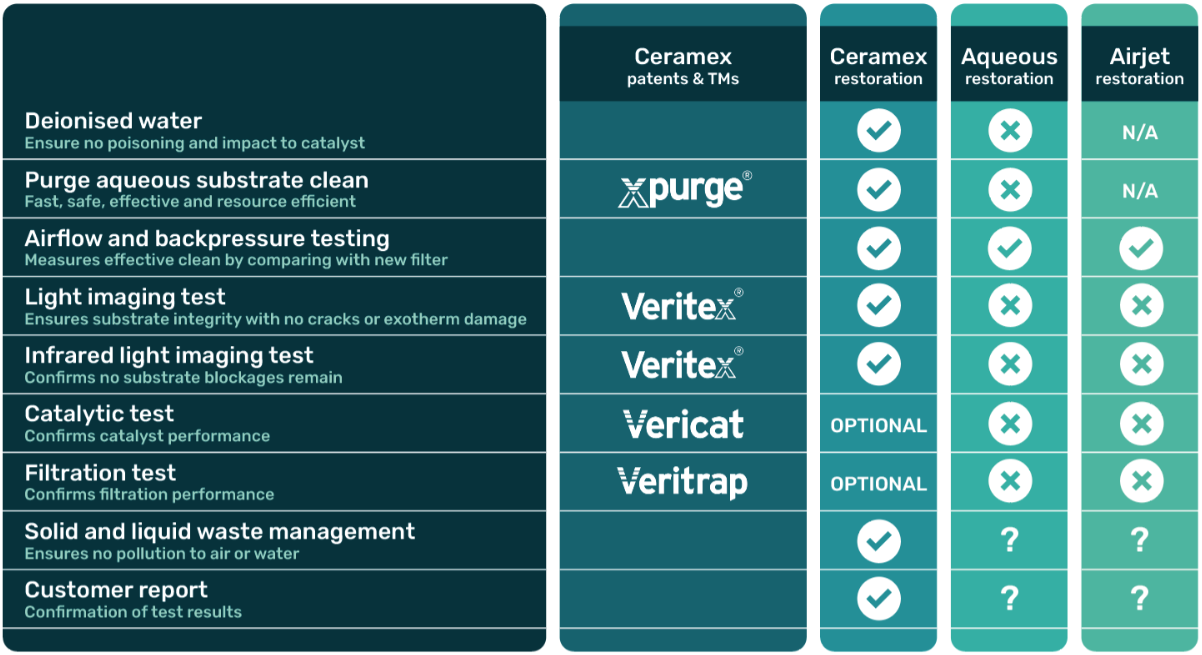
Basic cleaning methods often remove surface soot but leave behind ash or internal restrictions. This can send a filter right back into service without fully resolving the issue—leading to repeat failures.
A complete restoration process goes further. It removes embedded ash, restores internal airflow, and verifies performance before the filter is reinstalled. That’s what ensures the problem is actually solved, not just temporarily reset.
A Better Way to Think About DPF Maintenance
Instead of asking, “What mileage should I clean at?” the better question is:
“What is my fleet’s duty cycle telling me?”
By aligning service intervals with real-world operation—and ensuring each cleaning fully restores the filter—fleets can move from reactive fixes to a more controlled, predictable system.
The Bottom Line
DPF issues aren’t random failures. They’re the result of how a fleet operates, when maintenance is performed, and how effective that maintenance is.
When those three factors are aligned, fleets see fewer disruptions, lower costs, and more consistent uptime.
__
Download the full whitepaper:
DPF Restoration Intervals: A Critical Driver of Fleet Cost Control
Learn how LTL fleets are:
- Setting the right cleaning intervals based on real-world operation
- Reducing regen frequency and unplanned derates
- Turning DPF maintenance into a predictable part of uptime strategy
Ceramex North America
- Website: www.ceramexna.com
- Phone: (855) 457-7086
- Email: sales@ceramexna.com


.svg)